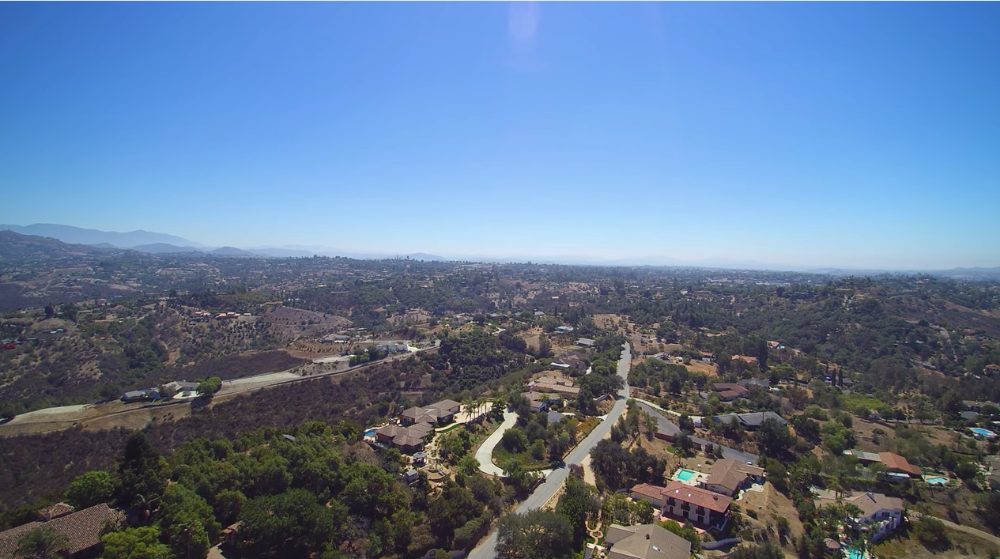
When It Backs Up, We Show Up. Septic Tank Pumping in Fallbrook, CA
Septic tank pumping, emergency backups, inspections, and repairs for homes and businesses across Fallbrook and surrounding areas in North County San Diego.
What We Do
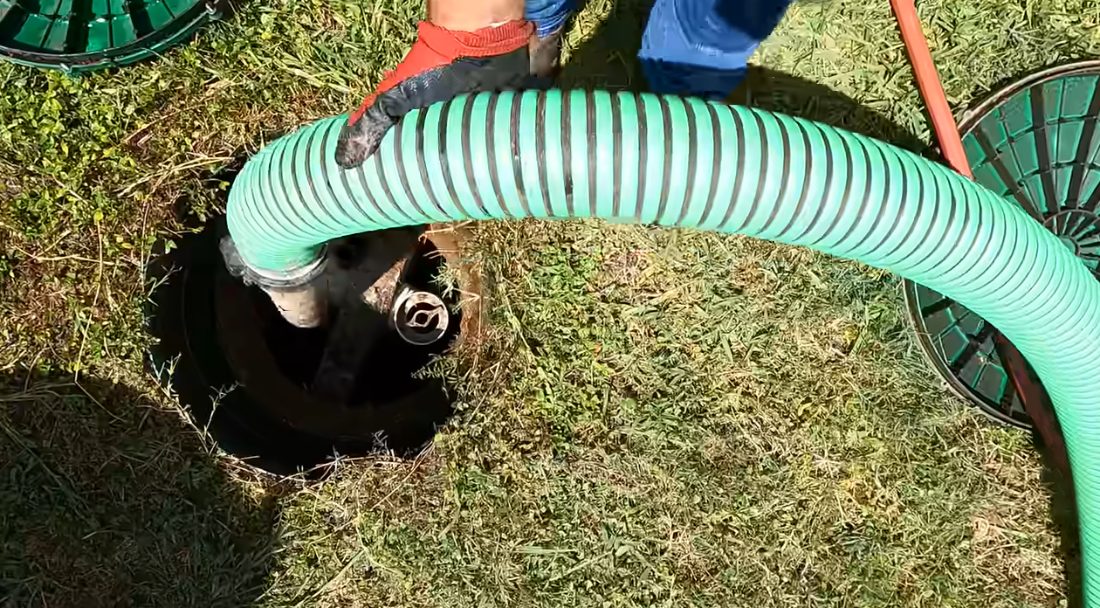
From routine pump-outs to emergency backups, we handle residential and commercial septic work for homeowners, property owners, and local businesses across Fallbrook and the surrounding backcountry — pumping, inspections, and repairs included. Most people reach out every 3–5 years for scheduled maintenance, or the same day when a tank suddenly backs up. Whichever it is, our technicians do more than empty the tank: we check the health of your system, point out anything that needs attention, and give you straightforward advice to help it run better and last longer. Our aim is to make septic care simple, low-stress, and affordable while protecting one of the most important systems on your property.
What We Handle
Get a Quote or Book a Pump-Out
Tell us what’s going on and when works for you. We’ll get back to you ASAP with a licensed and local contractor. For an active backup, calling is fastest.
Call (760) 654-6183Septic Pumping Questions
How much does septic tank pumping cost?
The cost depends on the type of system, plus tank size, age, location, and how easy the tank is to access. As a rough guide, a 500–750 gallon tank runs about $275 to $450, a 1,000 gallon tank about $350 to $650, and a 1,250–1,500 gallon tank about $450 to $850. After-hours, weekend, and urgent calls will incur additional costs.
How often should I pump my septic tank?
Most tanks need a pump-out every 3–5 years. The right interval depends on how many people live in the home, your daily water use, the tank’s size, and how old the system is. The harder the system works, the sooner it needs service.
Does my household size change how often I need it?
Yes. A one- or two-person home on a standard 1,000-gallon tank can often stretch toward five years. A household of four or more on the same tank usually hits the limit closer to three. Add people or water-heavy appliances and you should shorten the schedule.
What happens after the tank is pumped?
Within a few days the tank refills with water to its normal level, set by the outlet pipe to the drain field. A working septic tank is supposed to be full of liquid — only the sludge and scum get removed, not the water.
What does skipping pump-outs actually cost?
When solids are never removed they eventually push into the drain field and clog the soil that filters wastewater. Rebuilding a failed leach field can run several thousand dollars — far more than routine pumping. Corrosive tank gases also eat at the concrete over time, so regular service protects the tank itself.
I don’t know where my tank is — can you still find it?
Yes. We locate buried tanks as part of the job. It also helps to check your property’s as-built drawing from the county, look for round or square lids in the yard, or follow the main sewer line out from the house. If none of that turns it up, our crew will find it.
What should I tell you before the truck arrives?
Mention anything that affects access — steep or uneven ground, a long or narrow driveway, vegetation growing over the lid, nearby underground utilities, or a tank lid that looks cracked or fragile. Knowing this ahead of time lets us bring the right equipment and avoid surprises on site.
Serving Fallbrook & the Surrounding Backcountry
We know the soils, the septic-heavy neighborhoods, and the long rural driveways out here. If you’re in one of these areas, we can usually get a truck to you fast.