What We Repair
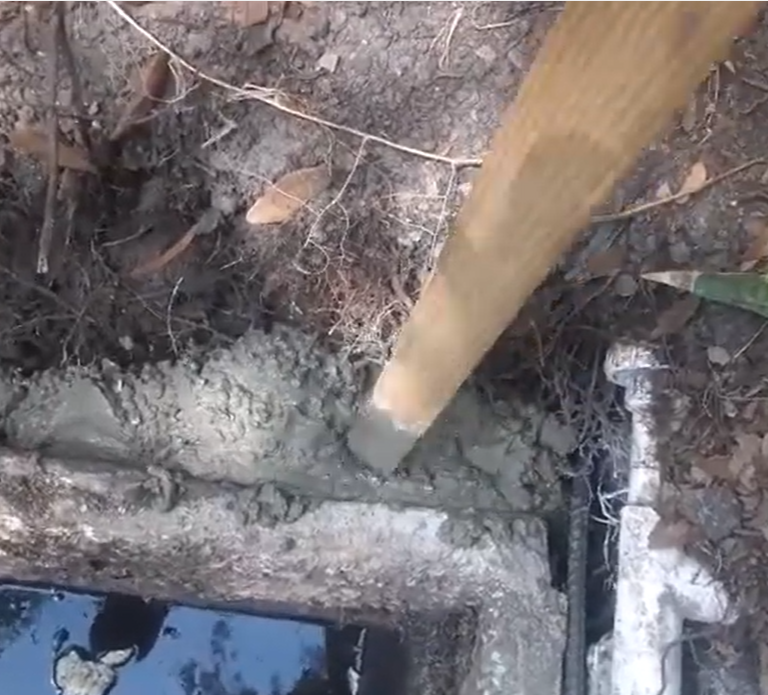
Septic systems wear out one part at a time, and most of those parts can be replaced without touching the tank itself. We repair and replace cracked or sunken tank lids, broken or missing risers, deteriorated inlet and outlet baffles, and damaged pipes between the house, tank, and drain field. We also address effluent filters and distribution components. The goal is to restore the system to working order with the smallest, least expensive fix that actually solves the problem.
Signs Something Has Failed
A worn part often shows itself before a full backup. Watch for these signs that a component — not the whole system — needs attention:
Cracked or sunken tank lid
Sewage odor near the tank
Soft or settling ground over the tank
Slow drains after a recent pump-out
Visible cracks in the tank or lid
Effluent filter clogging often
Baffles, Lids & Risers
Baffles direct the flow of waste inside the tank and keep solids from escaping to the drain field; when they corrode or break, solids slip through and the field suffers. Lids crack with age and ground pressure, which is a safety hazard as well as an odor source. Risers bring the tank access up to ground level so it can be serviced without digging. These are the repairs we make most often, and most can be done in a single visit.
Repair vs. Replace
A cracked lid, a failed baffle, or a broken riser is a repair — the tank is sound and the fix is straightforward. Replacement only comes into play when the tank itself is structurally cracked and leaking, or the drain field has failed and can no longer treat wastewater. We’ll show you what we find and explain which category your system is in, so you’re making the call with real information instead of a sales pitch.
Why Timely Repairs Matter
The drain field is the most expensive part of a septic system to replace, and a small failure upstream is often what destroys it. A broken baffle that lets solids into the field, or a cracked tank that leaks, can turn a cheap repair into a major rebuild if it’s ignored. Fixing worn parts when they fail is the cheapest way to protect the rest of the system.