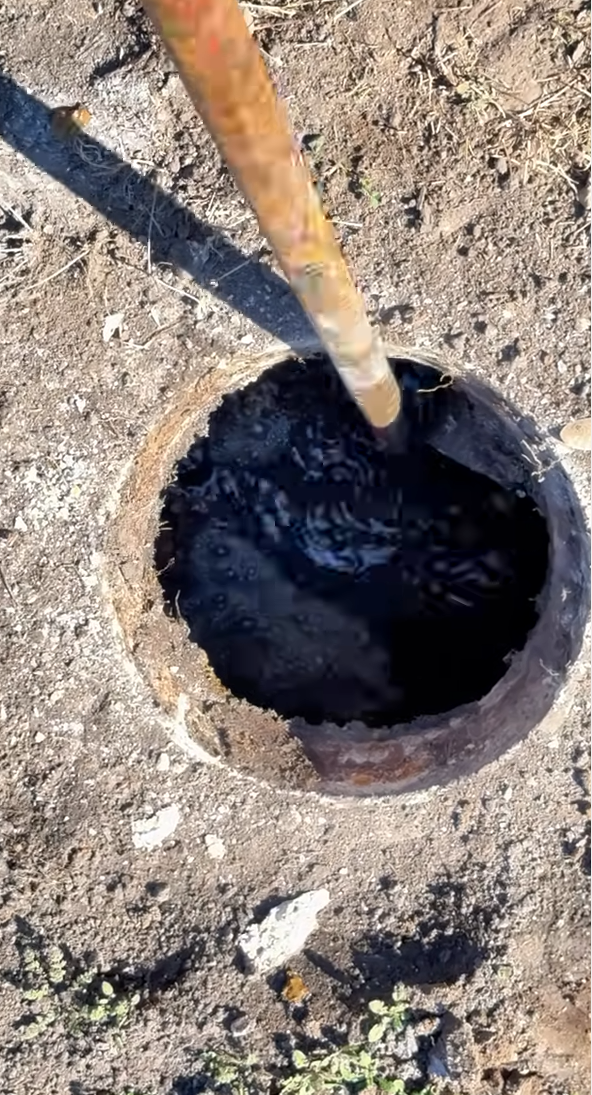
What Septic Pumping Involves
Septic pumping removes the accumulated solids and scum that build up inside your tank over years of normal use. We locate and uncover the tank lid, insert a vacuum hose, and pump out the full contents until the tank is empty. While it’s open, we check the inlet and outlet baffles, look for cracks in the lid and walls, and confirm the liquid is draining properly into the field. A complete pump-out — not just skimming the top — is what actually resets the system.
When You Need a Pump-Out
Most tanks need pumping every three to five years, but the right interval depends on tank size and how many people use the system. Watch for these early signs that the tank is full and solids are pushing toward the drain field, where they cause far more expensive damage:
Slow drains throughout the building
Gurgling toilets or drains
Sewage odor in the yard
Wet, spongy ground over the field
It has been 4+ years since service
Standing water near the tank
Why Tanks Back Up
Backups happen when solids are never pumped out and eventually overflow into the outlet pipe and drain field. As the sludge layer rises, there’s less room for wastewater to separate, so solids escape the tank and clog the soil that’s supposed to filter them. In Fallbrook’s heavy clay and decomposed-granite soils, a clogged field drains slowly and is expensive to rebuild — which is why regular pumping is far cheaper than waiting for a failure.
What Affects the Cost
The cost of a pump-out depends on tank size, how full it is, and how easy the tank is to reach. Tanks without risers have to be located and dug up by hand, which adds labor. Heavily compacted or rarely-serviced tanks take longer to pump and may need extra water to break up hardened solids. Access matters too — the steep driveways and long hose runs common on rural Fallbrook and Rainbow properties can affect the final price. After-hours, weekend, or urgent calls also carry additional cost.
Pump, Repair, or Replace
A routine pump-out is all most systems need to keep running for decades. Repairs make sense when the tank is sound but a lid, riser, or baffle has worn out. Full replacement is only necessary when the tank itself is cracked and leaking, or the drain field has failed — and we’ll tell you honestly which one you’re looking at. We don’t recommend a new system when a pump-out and a small repair will do the job.